Hiroshima Prefecture has the World Heritage Atomic Bomb Dome and Itsukushima Shrine.
In addition, there are special historic sites “Itsukushima” and “Renjuku and Kantya-zan’s old residence”.
Taishaku Gorge, Sandankyo, Senkoji Mountain, and Tadanoumi Coast in Hiroshima Prefecture have been selected as one of the “100 Landscapes of Japan”.
Names, explanations, and maps of tourist attractions in Hiroshima Prefecture, such as 100 waterfalls, 100 famous castles, cherry blossom spots, hot springs, and old shrines and temples, are posted.
Hiroshima prefecture’s map of sightseeing spots, famous places, famous temples, Japan 100 selections.
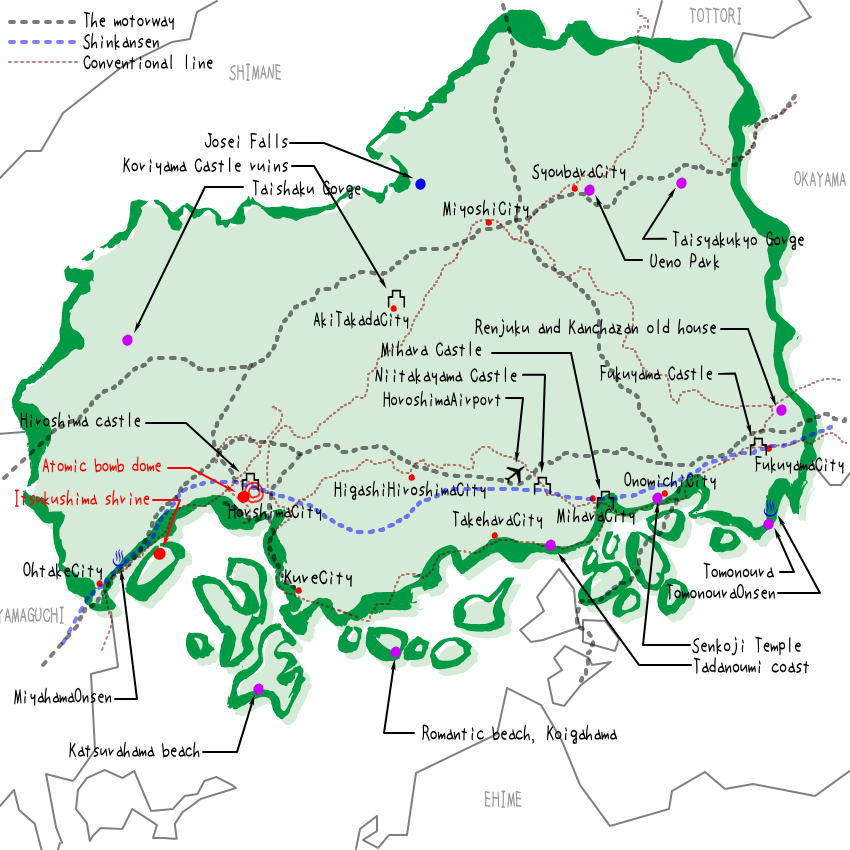
Hiroshima Prefecture’s World Heritage Site
Hiroshima Prefecture has two World Heritage Sites.
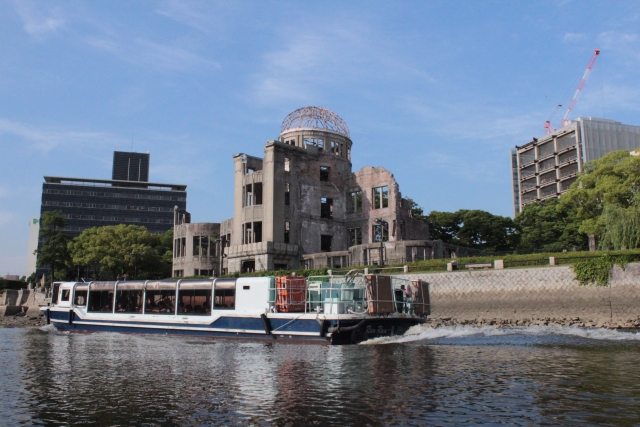
One is the Hiroshima Peace Memorial, known as the Atomic Bomb Dome. On August 6, 1945, the city of Hiroshima was the first to drop a nuclear weapon in history.
The Atomic Bomb Dome retains its appearance at the time of the bombing. It still conveys the misery of nuclear weapons.
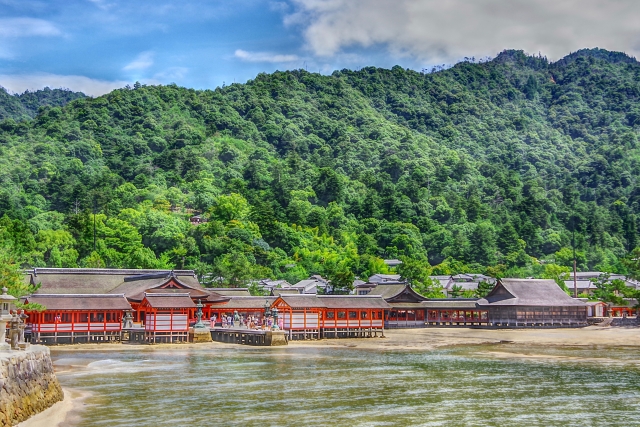
Another World Heritage Site is Itsukushima Shrine.
Itsukushima Shrine is a Shinden-zukuri maritime shrine built in 593.
It is the head office of Itsukushima Shrines nationwide, and is located on Itsukushima-island in Hiroshima Bay in the western part of the Setonaikai-Sea.
Hiroshima Prefecture’s Special natural monuments, national scenic spots, three major XX, 100 landscapes of Japan, etc.
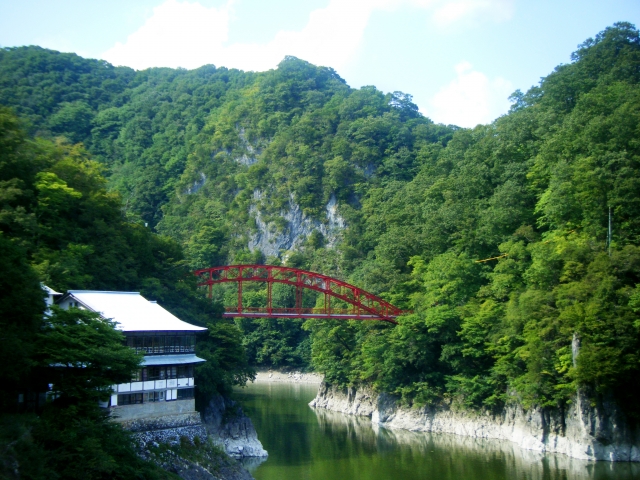
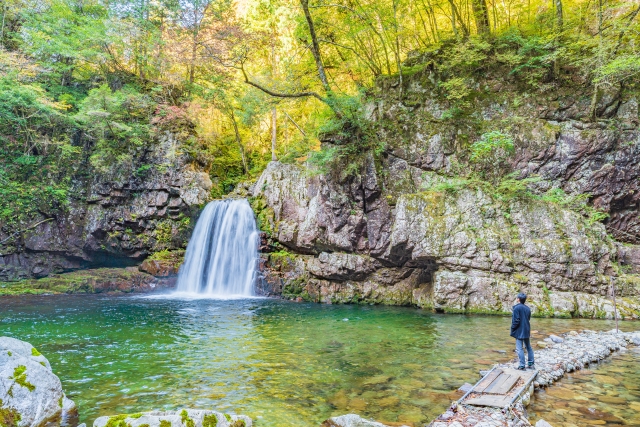
The national scenic spot in Hiroshima Prefecture is “Taishaku Gorge”.
It is a limestone canyon. It is also designated as one of the 100 Landscapes of Japan.
Located in the northeastern part of Hiroshima prefecture.
The 100 landscapes of Japan include the valley “Sandankyo” (also designated as a special place of scenic beauty), “Senkojiyama” in Onomichi, and “Tadanoumi coast” facing the Seto Inland Sea.
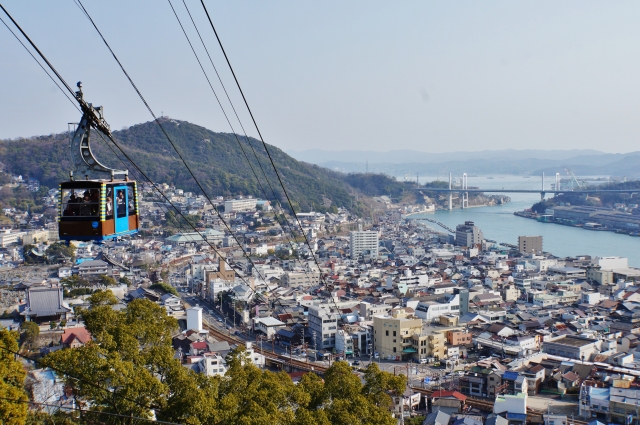
“Itsukushima” and “Renjuku and Sazan Kan’s old residence” have been selected as special historic sites.
“Itsukushima” is an island in Hiroshima Bay in the western part of the Setonaikai-Sea. “Renjuku and Sazan Kan Old House” A private school opened by Confucian scholar Sazan Kan in the Edo period.
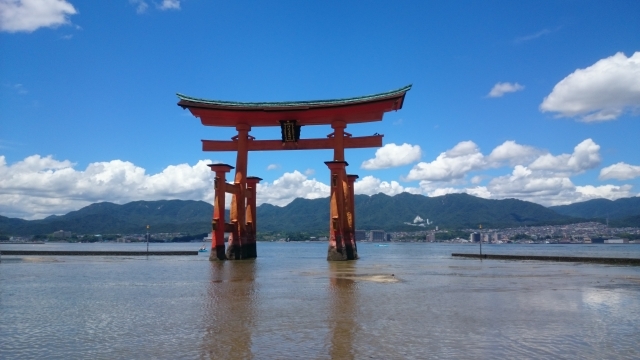
“Itsukushima” is also known as “Miyajima” and has been selected as a World Heritage Site, Special Place of Scenic Beauty, and Three Views of Japan.
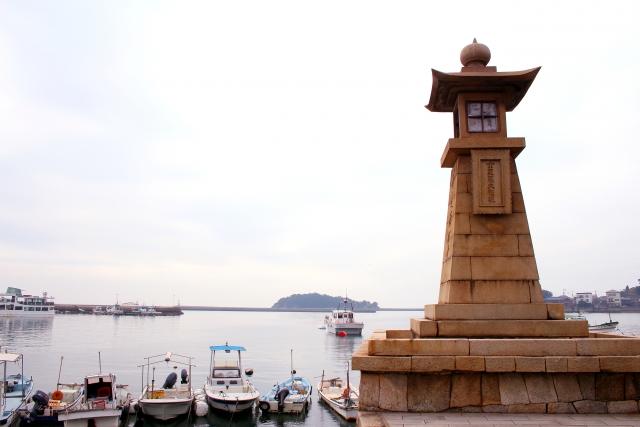
Tomonoura, a port in the south of the Numakuma Peninsula, has been selected as one of the 25 most scenic spots in Japan.
Hiroshima Prefecture’s 100 selections (coast, famous castle, waterfall, cherry blossom spot)
In Hiroshima Prefecture, “Katsurahama” and “Roman Beach Civic Beach / Koigahama” have been selected as one of the 100 best beaches in Japan.
Both are located in Kure City facing the Setonaikai-Sea. Katsurahama is on Kurahashi Island and Koigahama is on Kami-kamagari Island.
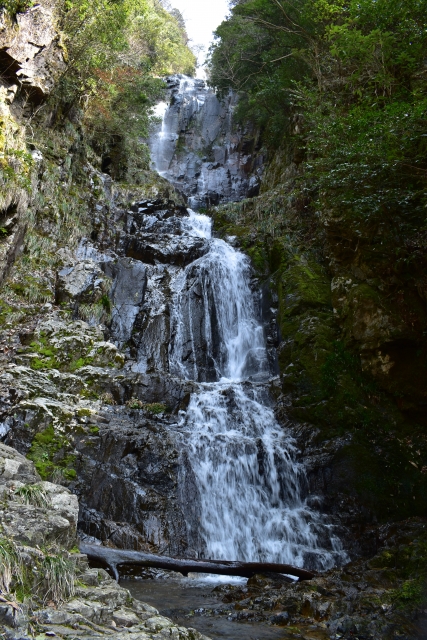
Josei Falls (Miyoshi City) with a head of 126 meters has been selected as one of the 100 best waterfalls.
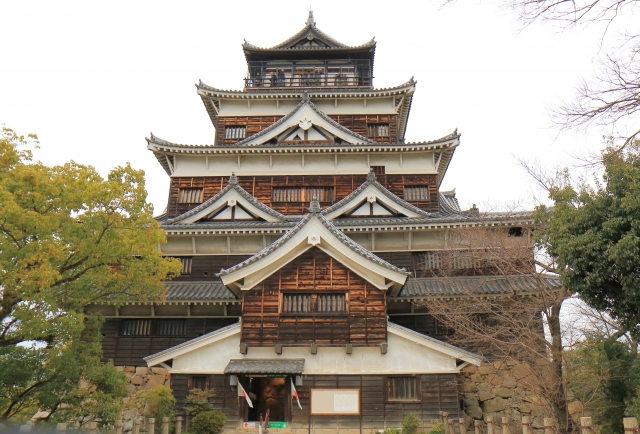
Fukuyama Castle (Fukuyama City), Yoshida-Koriyama Castle (Akitakata City), and Hiroshima Castle (Hiroshima City) have been selected as Japan’s Top 100 Castles.
Mihara Castle and Niitakayama Castle have been selected as the Continued Top 100 Japanese Castles, both of which are located in Mihara City.
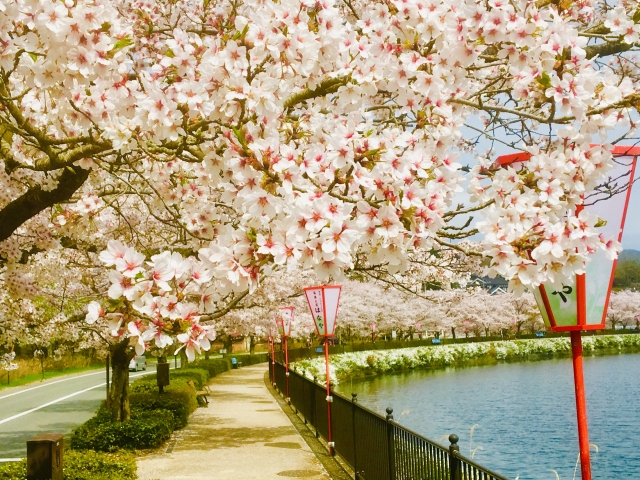
Ueno Park in Shobara City and Senkoji Park in Onomichi City have been selected as one of the 100 best cherry blossom viewing spots.
Hiroshima Prefecture’s Ancient shrines and temples, famous temples and hot springs
Miyahama Onsen is located on Itsukushima (Miyajima), a tourist destination that represents Hiroshima Prefecture.
There is Tomonoura Onsen in Setonaikai National Park, which is also attractive as a hot spring village.
In addition, there is Senkoji Temple in Onomichi, eastern Hiroshima Prefecture, near Tomonoura Onsen.
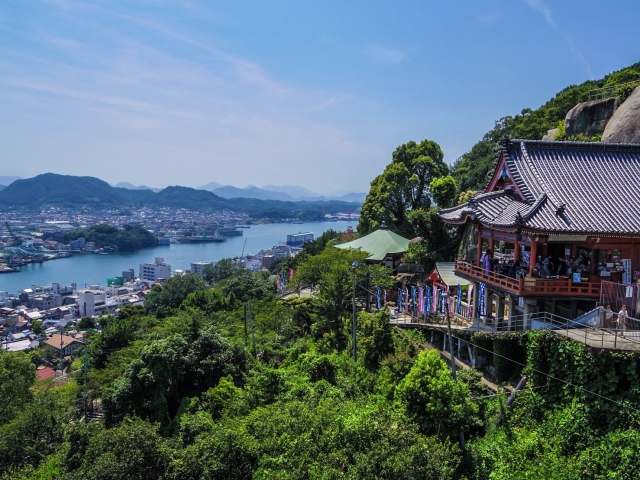
Senkoji is a popular tourist destination with its beautiful vermilion main hall. Adjacent to “Senkoji Park”, which is a selection of cherry blossom spots, and on the hillside of “Senkoji Mountain”, one of the 100 landscapes of Japan.
JAPANESE PAGE(Hiroshima prefecture)
(External link)HIROSHIMA prefecture official site
(External link)HIROSHIMA tourism site (Explore HIROSHIMA)